Amalfi Coast vs. Puglia: Two Sides of the South

Most people come to me already picturing the Amalfi Coast. They've seen Positano stacked against the cliffs, the pastel houses, the lemon trees heavy over stone walls. It's the image of southern Italy that everyone carries around. Then they hear about Puglia, and the question quietly shifts. It stops being where in the south and becomes which version of the south do I actually want.


Here's what's worth understanding before you choose. The Amalfi Coast and Puglia sit in the same part of Italy, but they feel like two different countries. The Amalfi Coast is vertical and dramatic, a string of cliffside towns stacked above the sea. Puglia is horizontal and slow, a flat land of olive groves, whitewashed towns, and old stone farmhouses down in the heel of the boot.


I plan trips to both, and the honest answer is that neither one is better. They answer different needs. Let me show you what I mean.


The Amalfi Coast: Vertical, Glamorous, and Full of Drama

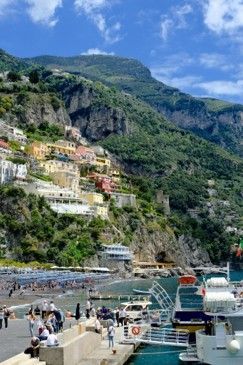
Cliffside town of Positano on the Amalfi Coast

The Amalfi Coast doesn't ease you in. It rises straight out of the water. The whole coastline is built into near-vertical cliffs, and everything about being there involves looking up or looking down, rarely straight ahead.


Positano is the town everyone knows, and for good reason. It spills down the hillside in layers of pink and ochre and terracotta, and you feel it in your legs, because getting anywhere means stairs. A lot of them. Just up the coast, Ravello sits high above the sea in a completely different mood, quieter and more composed, with garden terraces at Villa Cimbrone and Villa Rufolo that look out over the whole Gulf of Salerno. Praiano and Atrani are calmer still, the towns I often steer people toward when they want the beauty without the crush.


The energy on the coast is social and a little glamorous. Boats bob in the coves, ferries run between Positano, Amalfi, and Capri through the warm months, and the SS163, the coastal road they call the Amalfitana, twists along the edge with views that make you gasp and grip the door handle in the same breath.


The food leans to the sea and to the famous Sfusato lemons that grow along these terraces. You'll eat scialatielli with clams and mussels, delizia al limone that tastes like the whole coast in one bite, and in Cetara you'll find colatura di alici, an anchovy essence that's been made here for centuries. Morning espresso on a terrace with the water going silver below is the kind of small moment that stays with people long after they're home.


The beaches are real, but they're small pebble coves reached by steps or by boat, not long stretches of sand. If your dream is days spread out on soft sand, the Amalfi Coast will feel a little tight. It rewards a different kind of traveler: the one who wants beauty that announces itself, towns with texture, and the pleasure of moving between them by boat.


Where to Base Yourself on the Amalfi Coast

Where you stay on the Amalfi Coast shapes the whole trip, because the towns sit close together on a map but feel worlds apart in person.


Positano is the one on the postcards, and it's the most social and glamorous of the bunch. It's also the steepest, built like a staircase down to the water, and the busiest in high season. It suits first-timers who want the full picture and don't mind earning their views on foot.


Ravello sits high above the coast in a quieter, more composed register, known for its garden villas and the long views over the gulf. It runs cooler in summer and sits a little removed from the water, which is exactly why I send people here when they want calm and beauty over buzz.


Praiano rests between Positano and Amalfi, catches the sunset, and stays noticeably quieter while keeping the rest of the coast within easy reach. It's a favorite of mine for couples who want the setting without the crowds.


Sorrento, just off the coast on the peninsula, is flatter, well connected, and easy to come and go from. For travelers who find the cliffside towns too vertical, it makes a comfortable base with quick access to Capri, Pompeii, and the rest of the coast.


Puglia: Slow, Rural, and Quietly Beautiful

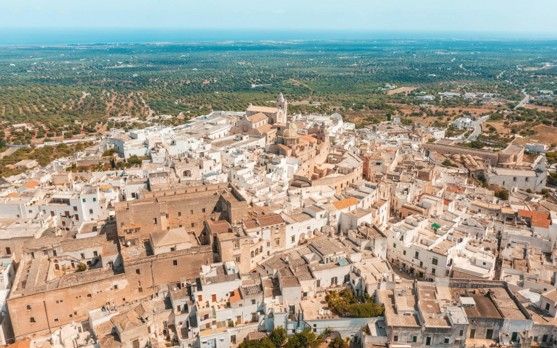
Whitewashed hill town of Ostuni in Puglia

Puglia asks nothing of your legs and everything of your pace. The moment you arrive, the tempo drops. This is farm country, ancient and agricultural, where the land is flat and silver-green with olive trees, some of them a thousand years old and still producing.


The heart of it for most of my clients is the Valle d'Itria, the valley dotted with trulli, those conical stone houses with the whitewashed walls and grey cone roofs. Alberobello has the largest concentration of them and draws the crowds. I usually point people toward Locorotondo and Cisternino instead, circular white towns where the trulli sit among ordinary daily life and no one's selling you a magnet. Nearby, Ostuni rises out of the plain as a single hill of white houses, glowing at the end of the day.


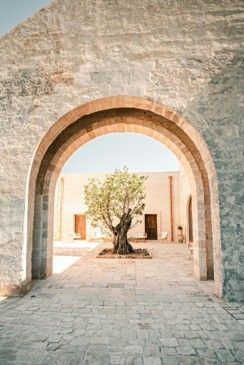
Then there are the masserie. These are the old fortified farmhouses, many of them now working estates surrounded by their own olive groves, with pools tucked behind stone walls and kitchens that cook what the land grows. Staying in one is the closest thing to living in the Puglian countryside for a week rather than visiting it.


The coast has its own character. Polignano a Mare perches on white cliffs above the Adriatic, its old town riddled with sea caves. Down in the Salento, the tip of the heel, you're between two seas, with the Baroque limestone city of Lecce inland and beach towns like Otranto and Gallipoli on either coast.


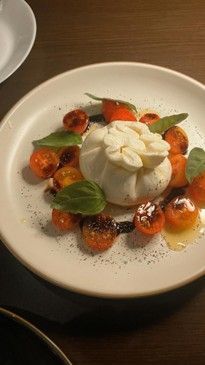
Puglia's food is earthy and generous. Orecchiette with cime di rapa, burrata that comes from Andria just up the road and tastes nothing like what crosses the Atlantic, olive oil poured on everything, and pasticciotto, the warm custard pastry you eat standing at a counter in Lecce. The wines are Primitivo and Negroamaro, deep and sun-warmed, poured without ceremony.


Puglia is for the traveler who wants to slow all the way down. Who's happy to spend a morning at a long table and an afternoon watching light move across an olive grove. It's the less obvious choice, and that's exactly why the people who go tend to fall for it.


Where the Food Will Take You

Burrata cheese with cherry tomatoes and fresh basil

For a lot of my clients, the food is the deciding factor, and the two regions pull in different directions.


The Amalfi Coast eats like the sea it sits above. Seafood comes in with the morning boats and lands on your plate by lunch: spaghetti alle vongole, fritto misto, whatever came in that day. The Sfusato lemon runs through everything from granita to that pillowy delizia al limone, and behind the coast the Campania plains send up buffalo mozzarella and bright whites like Falanghina and Fiano. Meals here tend to arrive with a view and a little ceremony.


Puglia eats like the land it grows on. This is cucina povera, the cooking of people who made something wonderful out of very little: orecchiette with cime di rapa, fava bean purée with wild chicory, bread from Altamura with a crust like armor. Burrata and stracciatella come from Andria just up the road, the olive oil is the best you'll taste anywhere, and the reds are deep Primitivo and Negroamaro. Meals run long and generously, usually at a masseria table with the family that grew half of what you're eating.


If you want the sea on your plate and a terrace under you, that points to the Amalfi Coast. If you want the earth on your plate and hours to linger over it, that's Puglia.


Choosing Between the Amalfi Coast and Puglia

Here's how I help clients decide.


Choose the Amalfi Coast if:


● You want the dramatic, vertical coastline you've pictured, and you don't mind that you'll be sharing it.

● You love the idea of moving between towns by boat and taking in the coast from the water.

● You're drawn to social energy, terraces, and towns with a bit of glamour to them.

● You're comfortable with stairs, steep streets, and a landscape that keeps you climbing.

● You want to base yourself in one beautiful spot and take day trips to Capri, Ravello, and the coves.


Choose Puglia if:


● You want space, quiet, and a slower rhythm than the coast can offer.

● Staying on a working estate in the countryside sounds like exactly what you need.

● You care more about food, wine, and the texture of rural life than about a famous view.

● You want to feel like you've stepped off the usual route through Italy.

● You'd rather settle into one place for a week than move around constantly.


Choose the Amalfi Coast if the question in your head is: I want to see something beautiful and feel the pulse of it. Choose Puglia if it's: I want to slow down and disappear into a place for a while.


What About Doing Both?

Stone archway framing a mature carob tree at Masseria Torleanzi in Puglia

This is where Amalfi and Puglia are more generous than some Italian pairings. They actually fit together well.


Unlike islands that force you into flights and backtracking, these two connect by land. The train from Salerno, just past the coast, to Bari in Puglia runs around four and a half hours with reserved seats and no fuss if you catch the right departure. That makes a two-part trip genuinely workable rather than a logistical headache, especially when every transition is handled for you so the travel day never becomes your problem.


The version I design most often looks like this: a week on the Amalfi Coast to start, when the energy and the drama land hardest at the beginning of a trip, then a shift east to Puglia for a slower second week, settling into a masseria and letting the pace fall away. You come home having felt both the intensity and the calm, in the right order.


If you have ten days or more and you want range, I usually recommend exactly this. If you have a week, I'd pick one and go deep rather than split your time and spend a day of it in transit.


Timing Matters for Both

Both regions are Mediterranean, but they reward slightly different timing.


The Amalfi Coast: May, June, September, and early October are the sweet spots. July and August bring real heat, packed ferries, and roads so congested that a short hop between towns can eat an hour. The coast largely runs on a season, roughly April through October, and many properties close for the winter. If you want the towns at their best with room to breathe, aim for June or September.


Puglia: Late May, June, September, and October are ideal here too. August is the peak of the Italian holiday season, and the Salento beaches and towns fill with domestic travelers, though a masseria with a pool keeps the inland heat very manageable. The sea is warm from June into September. Come in October and you'll catch the olive harvest, which is its own kind of experience if you care about how the oil is made.


The Version of Each I Design Most Often

When I plan the Amalfi Coast, I tend to base clients in Ravello or Praiano rather than in the middle of the Positano climb, then build in a private boat day along the coast and over to Capri, a driver for the coastal road so no one's white-knuckling those curves, and a long lunch somewhere with a view worth lingering over. The goal is the beauty of the coast without the friction.


When I plan Puglia, I almost always center the trip on a masseria in the Valle d'Itria, with unhurried days in Ostuni, Locorotondo, and Polignano a Mare, an afternoon in Lecce for the Baroque and the pastry, and the experiences that make the region make sense: a cooking class built around orecchiette, an olive oil tasting at the press, burrata straight from the source, sometimes dinner with the family that farms the land. A few well-chosen places, and time to actually be in them.


If You're Still Deciding

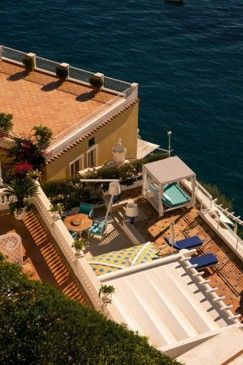
Quiet terrace overlooking the Mediterranean Sea in Positano

If you've read this far and you still can't call it, think about what you need from this trip rather than which one photographs better.


If you want to feel the energy of a place and take in views that stop you where you stand, the Amalfi Coast is your answer. If you want to exhale, eat well, and let a week unspool slowly in the countryside, Puglia is calling you.


Both are extraordinary. They simply offer different things, and the right one is the one that matches what you're actually looking for.


And if you're weighing other Italian regions too, my comparison of Sicily and Sardinia walks through a similar choice between two very different moods.


If the Amalfi Coast or Puglia is the one pulling at you, tell me which, and let's start there. I'd love to hear what you're imagining and design something that fits the way you want to travel.


Amalfi Coast vs. Puglia: Common Questions

Can you visit both the Amalfi Coast and Puglia in one trip? Yes. They connect by land, with a train of about four and a half hours from Salerno to Bari. I usually design a week on the coast followed by a slower week in Puglia, which works beautifully for ten days or more and lets each region land in its own way.


How many days do you need for the Amalfi Coast and Puglia? Plan on at least five days in each region to settle in without rushing. For a combined Amalfi and Puglia itinerary, ten to fourteen days lets you feel both without spending your trip in transit. If you only have a week, choose one and go deep rather than splitting your time.


Is Puglia less crowded than the Amalfi Coast? Generally, yes. Puglia's countryside stays quiet even in summer, while the Amalfi Coast fills quickly from June through August. The exception is Puglia's Salento beaches in August, which draw Italian holidaymakers. Outside of that stretch, Puglia feels far more spacious.


Which is better for a first trip to southern Italy, Amalfi or Puglia? It comes down to what you want to feel. The Amalfi Coast delivers the dramatic, familiar image of Italy most first-timers picture, all cliffs and sea and glamour. Puglia rewards travelers who want a slower, more rural rhythm and care more about food and countryside than a famous coastline.


When is the best time to visit the Amalfi Coast and Puglia? May, June, September, and October are ideal for both regions. July and August bring heat and crowds, especially on the coast. October adds the olive harvest in Puglia. Keep in mind that many Amalfi Coast properties close from November through March.

Recent Posts

By Platinum Travel • September 26, 2026
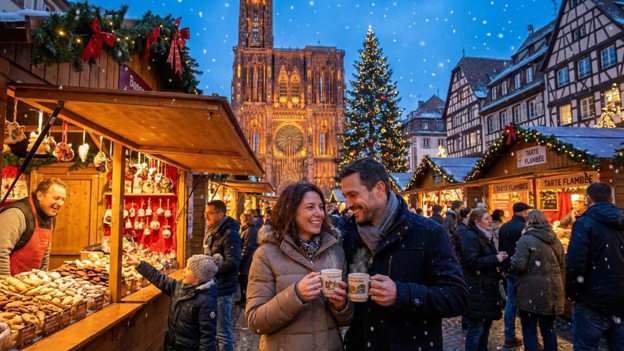
Discover how the Rhine, Danube, and France's Alsace region each create a distinct Christmas market river cruise experience, and learn how to choose the itinerary that fits your holiday travel style.
By Platinum Travel • September 16, 2026
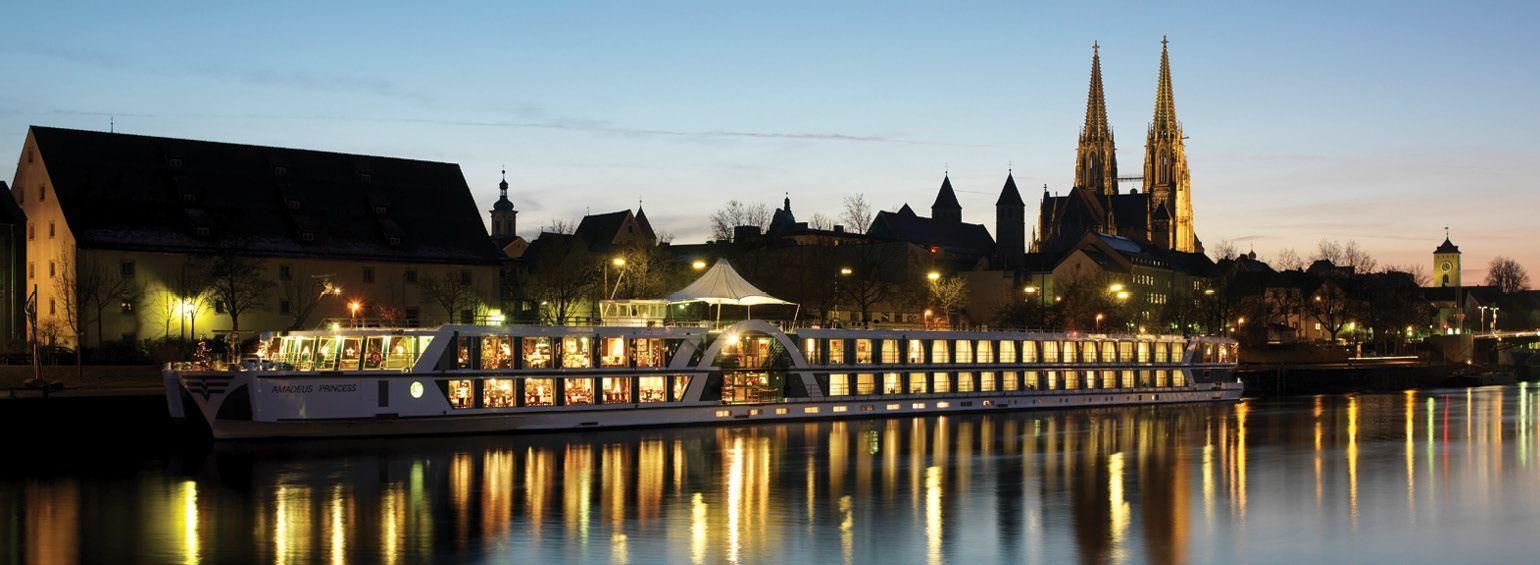
Discover why a Christmas market river cruise along the Rhine and Danube is one of the most enchanting, effortless ways to experience Europe's holiday season.
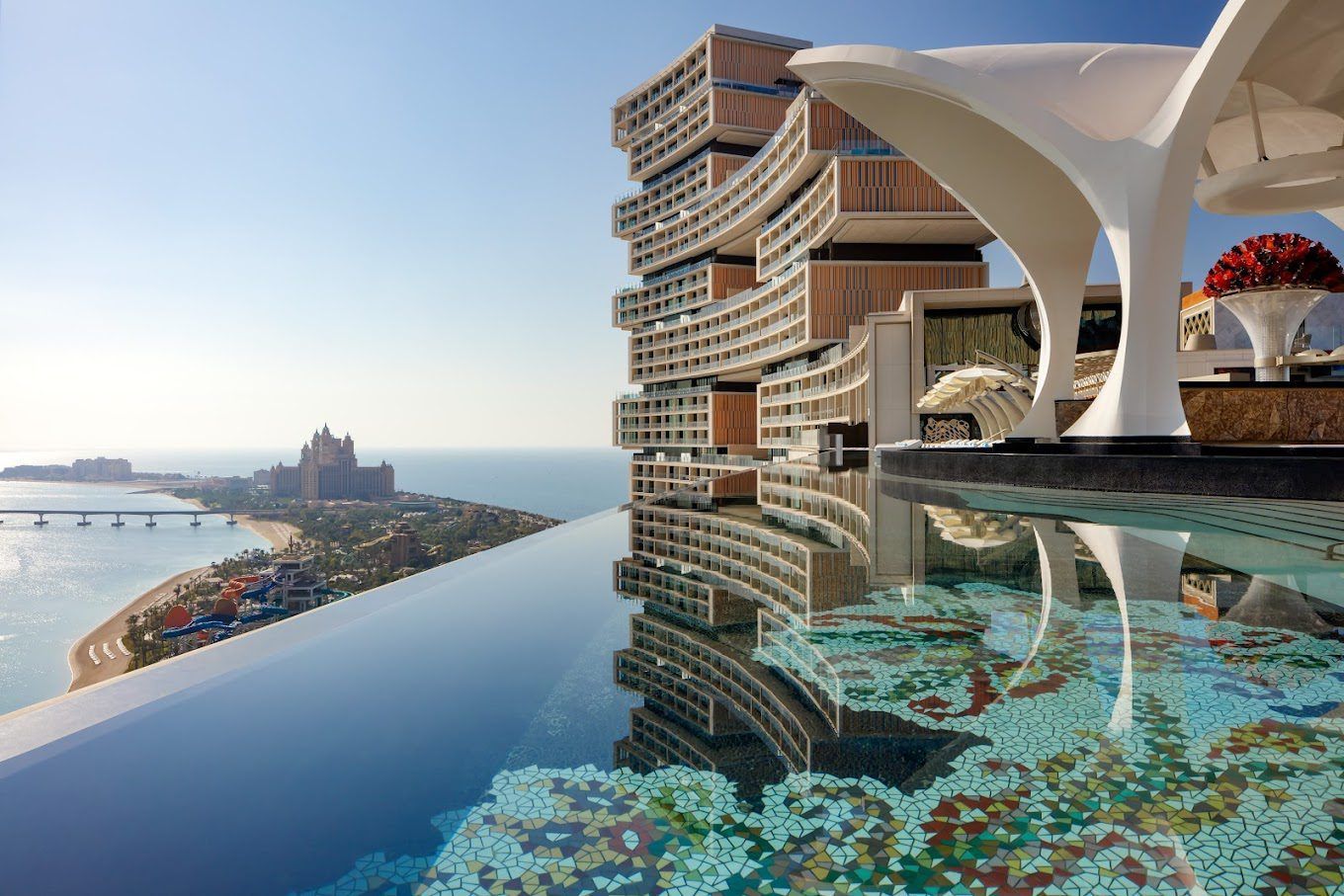
Luxury seaside resort with an infinity pool, modern tower, and distant island skyline at sunset
July 10, 2026
The difference between a good vacation and an unforgettable journey often lies in those magical moments that can’t be found on any travel website or standard itinerary. As a luxury travel designer, I’ve spent years cultivating relationships with local tastemakers and hidden gems across the globe. Today, I’m pulling back the curtain on five extraordinary experiences that showcase the true meaning of exclusive luxury travel.

Ancient temple ruins with two stone stupas under a clear blue sky, framed by brick walls and green trees
July 10, 2026
In an age where everything seems bookable at the click of a button, many luxury travelers are asking themselves: “Do I really need a travel designer?” After all, the internet has made it possible to book five-star hotels, research Michelin-starred restaurants, and arrange private tours – all from the comfort of your home. However, as many seasoned travelers have discovered, the true cost of DIY luxury travel extends far beyond the time spent planning. Let me pull back the curtain on what really happens behind the scenes of luxury travel planning.
Collage of luxury travel scenes with text “Top 5 Destinations Redefining Luxury Travel in 2025”
July 10, 2026
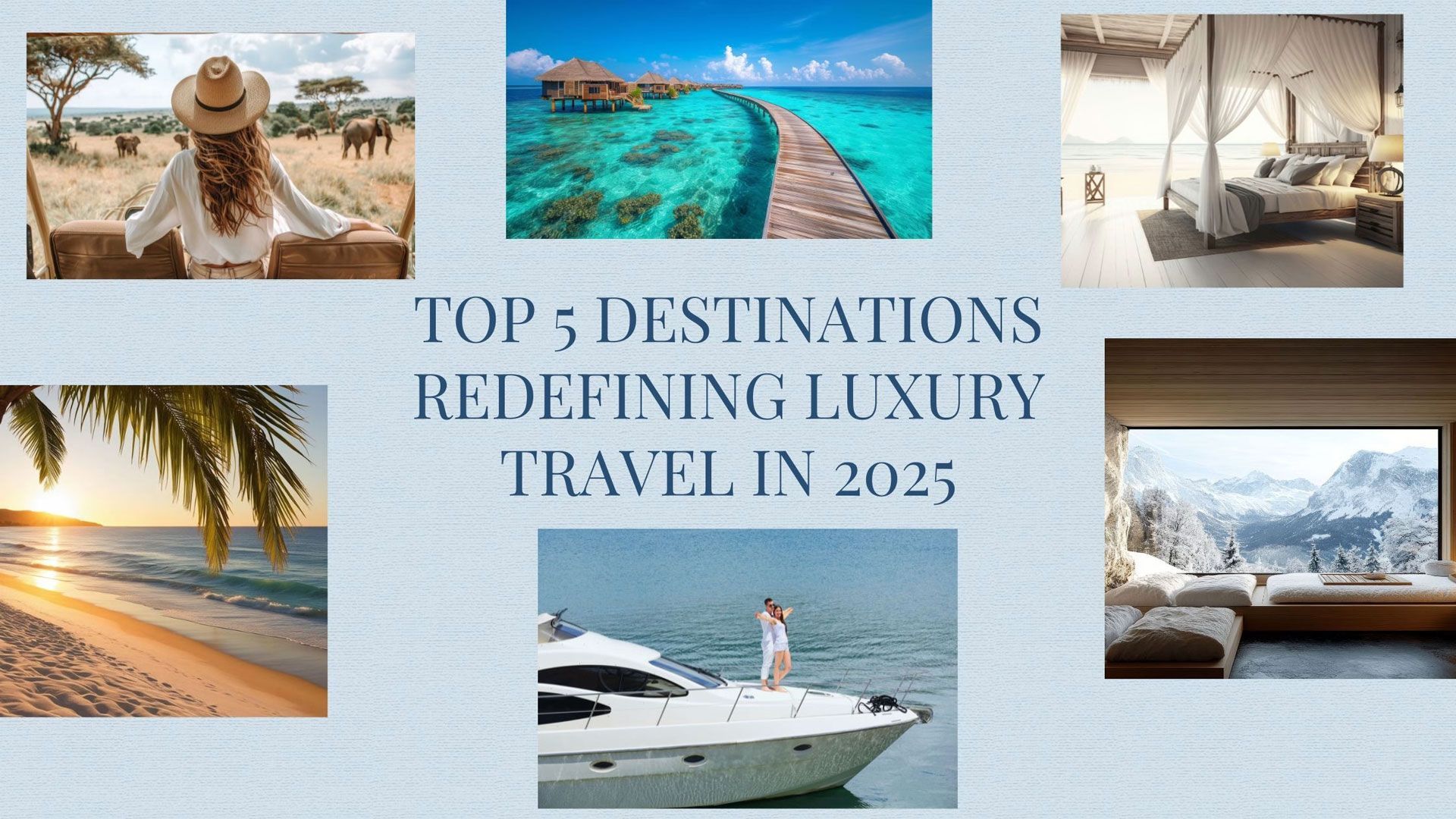
In 2025, luxury travel is about more than just lavish accommodations and first-class flights. It’s about bespoke experiences, exclusivity, and immersive escapes that redefine the meaning of indulgence. For discerning travelers seeking the finest in comfort, privacy, and personalized service through our luxury travel concierge services , these five destinations are setting new standards in luxury travel.
Wide waterfall canyon with mist, blue sky, and a faint rainbow over rushing water
July 10, 2026
There’s something deeply satisfying about opening a fresh calendar and seeing twelve months of possibility stretched before you. Yet so often, we approach travel planning like a series of last-minute decisions rather than the thoughtful, year-long journey it could be. The most memorable travel experiences rarely happen by accident. They’re curated, timed perfectly, and woven seamlessly into the rhythm of your life. When you map out your entire year of travel in advance, you’re not just booking trips, you’re designing a lifestyle that prioritizes the experiences that matter most to you.
Two people in wheelchairs face a turquoise ocean, with a “Time to Travel” sign and nautical decor.
July 10, 2026
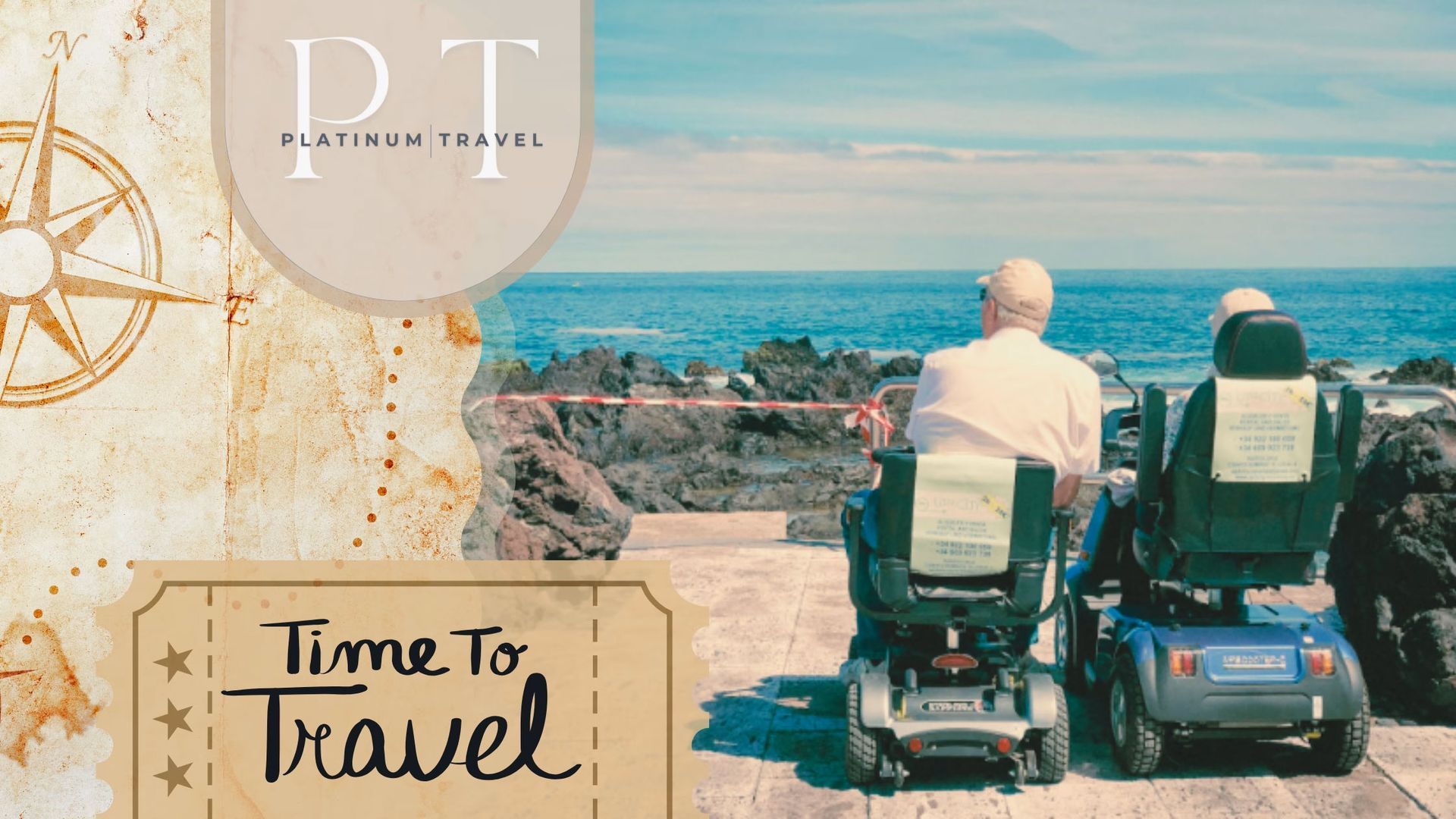
We believe every extraordinary journey should be accessible to those who dream of it. Physical limitations or special travel requirements shouldn’t mean compromising on the experiences that feed your soul—whether that’s watching the sunrise over Santorini, savoring wine in a Tuscan vineyard, or celebrating a milestone anniversary in an elegant suite overlooking the Mediterranean. Today’s travel landscape offers more sophisticated accessibility options than ever before, and the key lies in thoughtful planning that anticipates your needs while preserving the magic of discovery. When every detail is seamlessly arranged, the focus returns to where it belongs: creating memories that will last a lifetime.
Colorful seaside town and bay viewed from a hillside, with bright pink flowers in the foreground
July 10, 2026
Mediterranean Magic: Where Sophistication Meets Soul
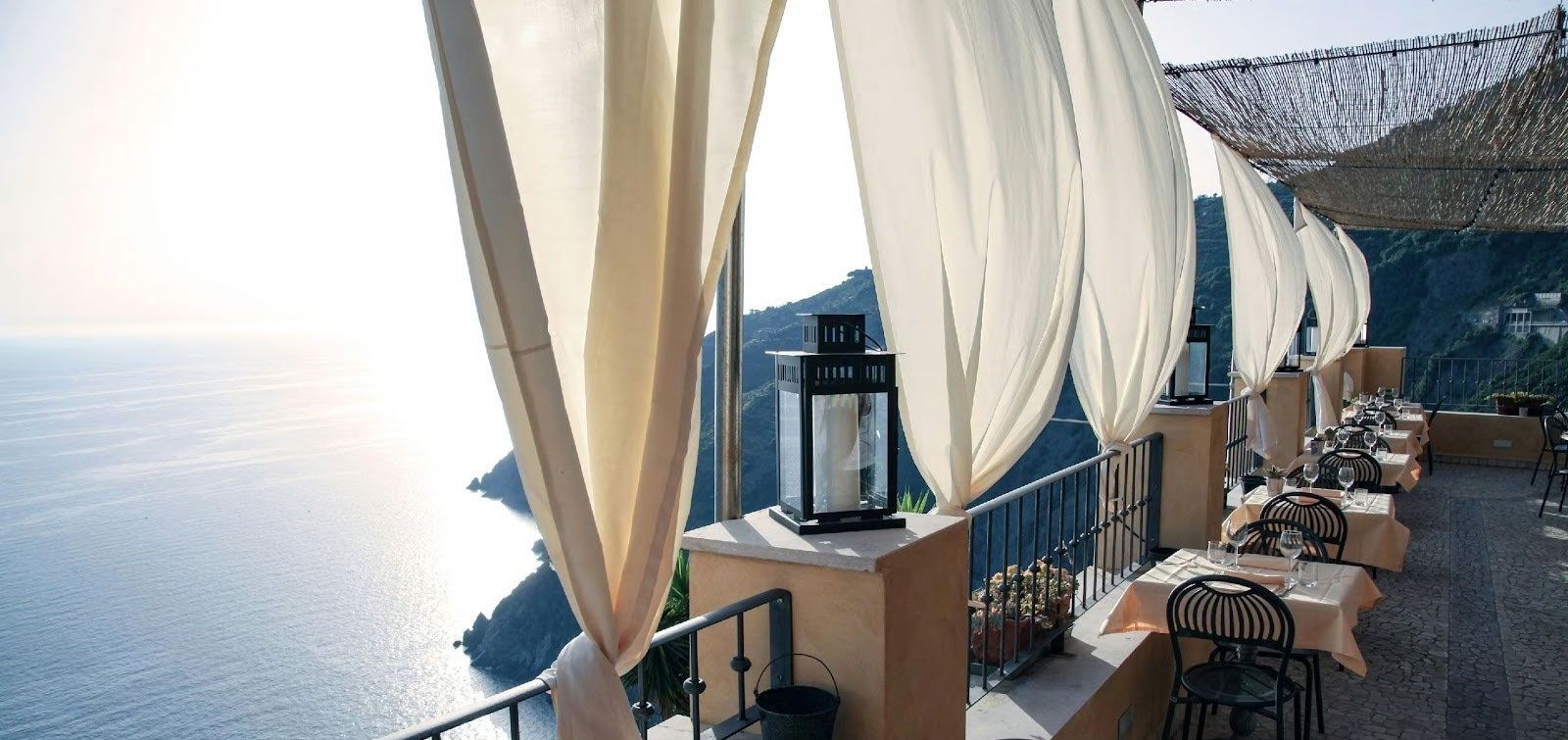
Seaside terrace with white cabanas, tables, and chairs overlooking the ocean
July 10, 2026
True luxury isn’t always about spending more — it’s about spending with purpose. Luxury travel with intention and purpose.
Show More
Platinum Travel

Your ticket to effortless luxury—where every journey is tailored, every detail perfected, and every moment feels like pure magic. Let us turn your travel dreams into unforgettable realities

Luxury Travel Planning Services – Planning your extraordinary experiences one at a time!

Let's craft your next unforgettable journey together